palaniappan p7 min
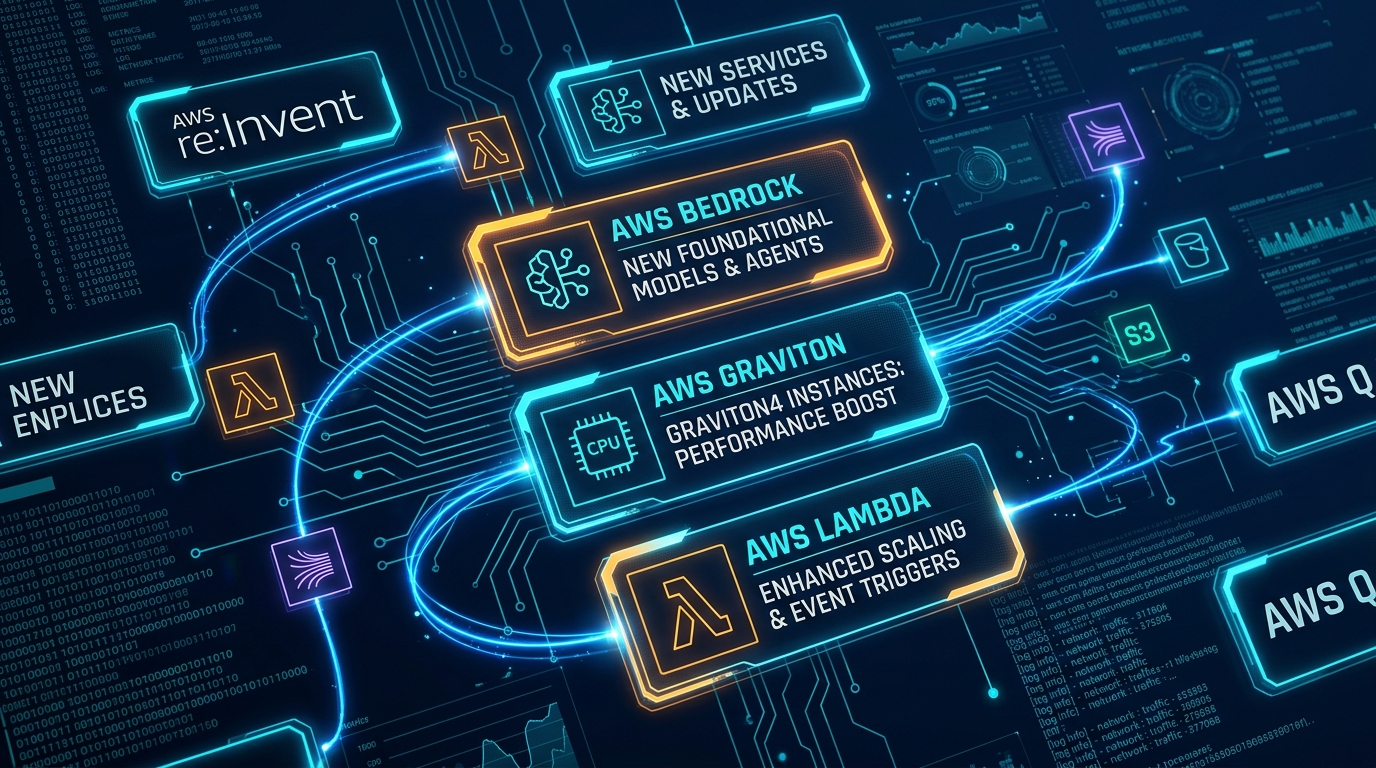
AWS Service Announcements Worth Knowing: March 2026 Edition
March 2026 roundup — Nova Forge, Durable Functions, Graviton5, Trainium3, Route 53 Global Resolver. July 2026 retrospective: what still matters four months later.

FactualMinds Blog
Expert perspectives on AWS cloud consulting, generative AI, and enterprise solutions.
March 2026 roundup — Nova Forge, Durable Functions, Graviton5, Trainium3, Route 53 Global Resolver. July 2026 retrospective: what still matters four months later.
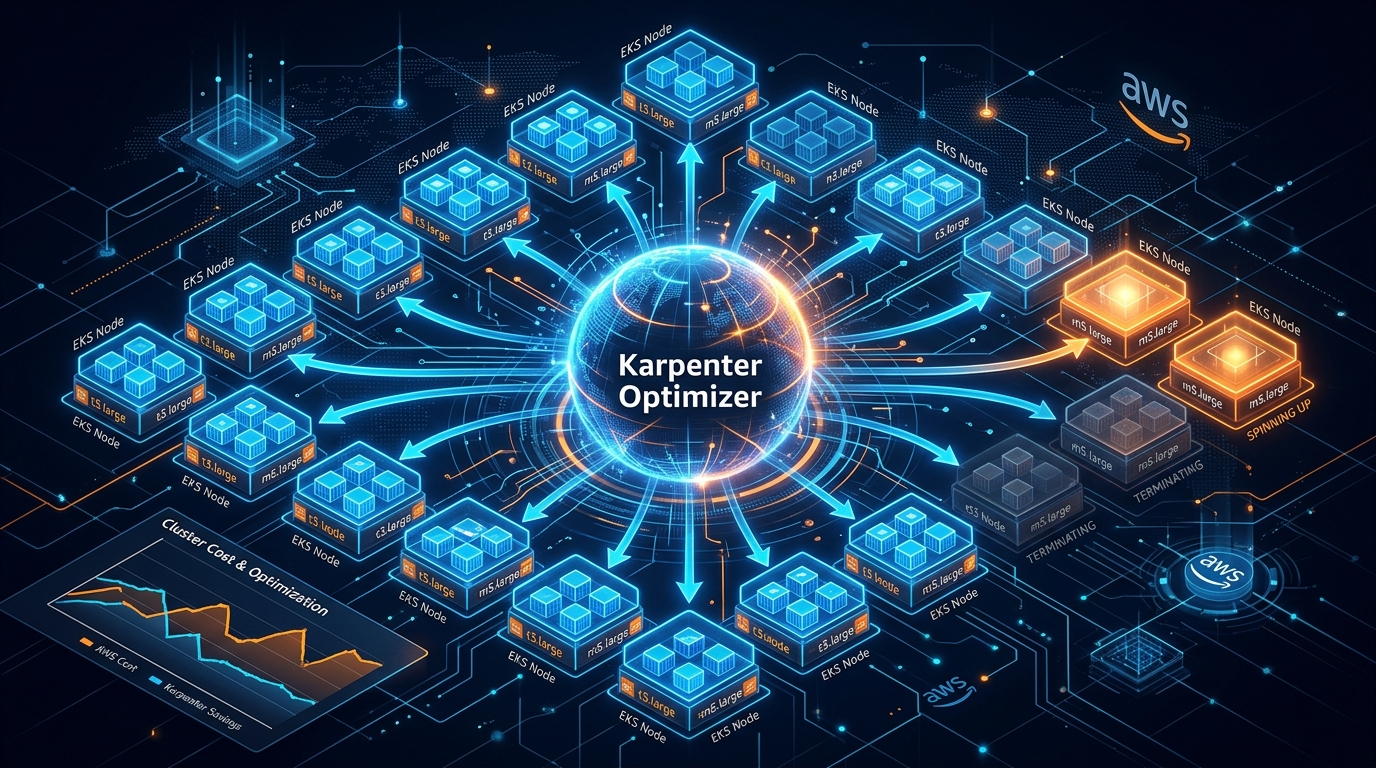
Karpenter vs Cluster Autoscaler on EKS: consolidation + flexible NodePools beat half-empty ASG nodes. July 2026: karpenter.sh/v1, WhenEmptyOrUnderutilized, Spot mix checklist.
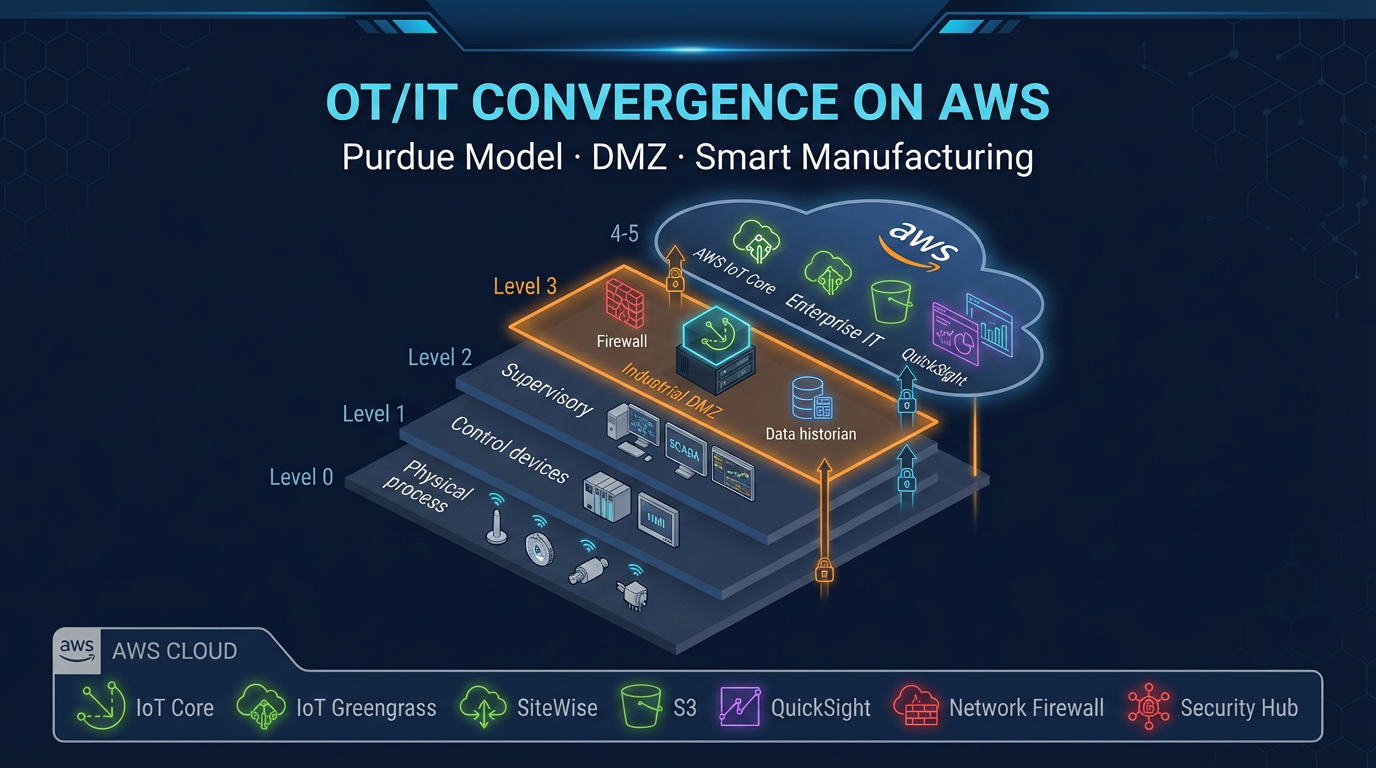
Connecting your operational technology (OT) network to cloud-scale IT systems on AWS is the foundation of smart manufacturing — but it introduces serious security risks if done wrong. Here are the proven architecture patterns.
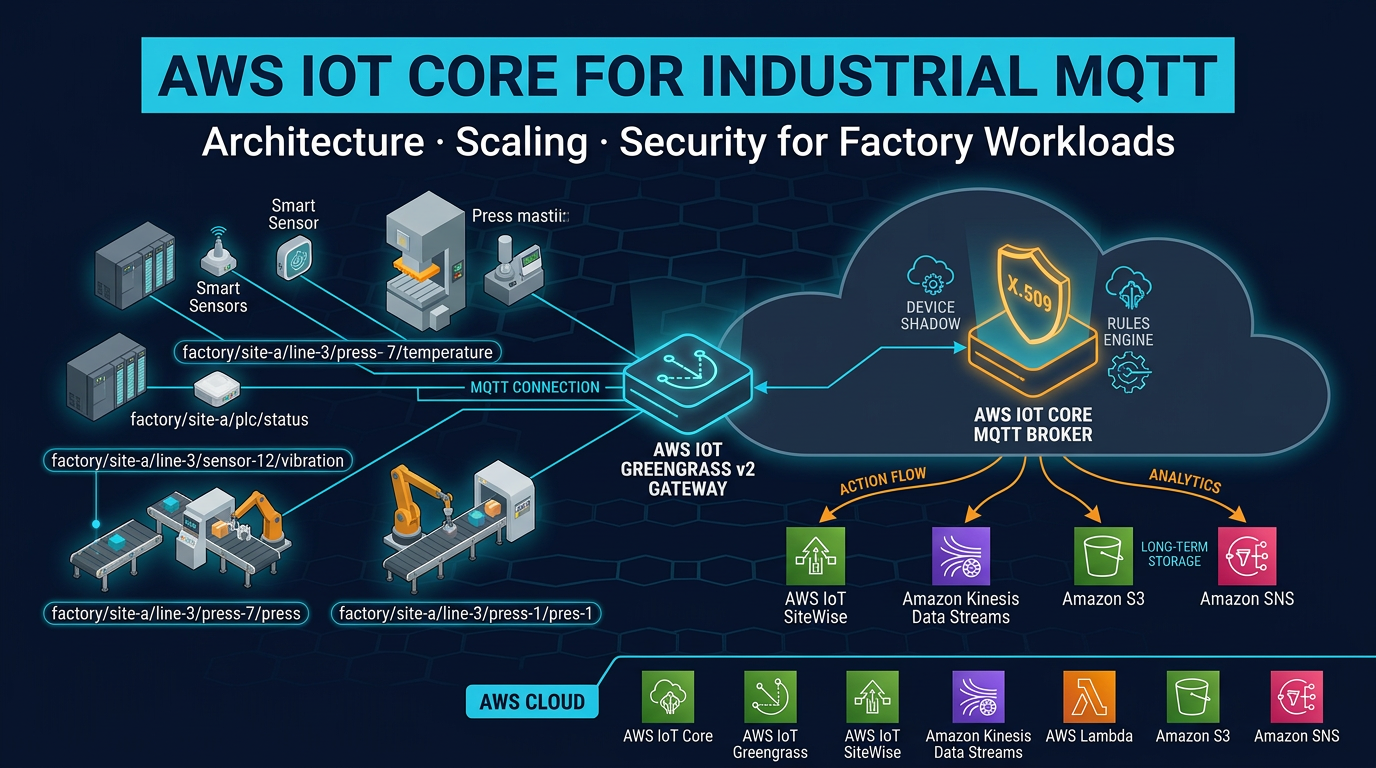
AWS IoT Core is the managed MQTT broker at the heart of most AWS Industrial IoT architectures. Here is how to design high-throughput, reliable, and secure MQTT connectivity for factory workloads — from device registration to message routing and cost optimization.
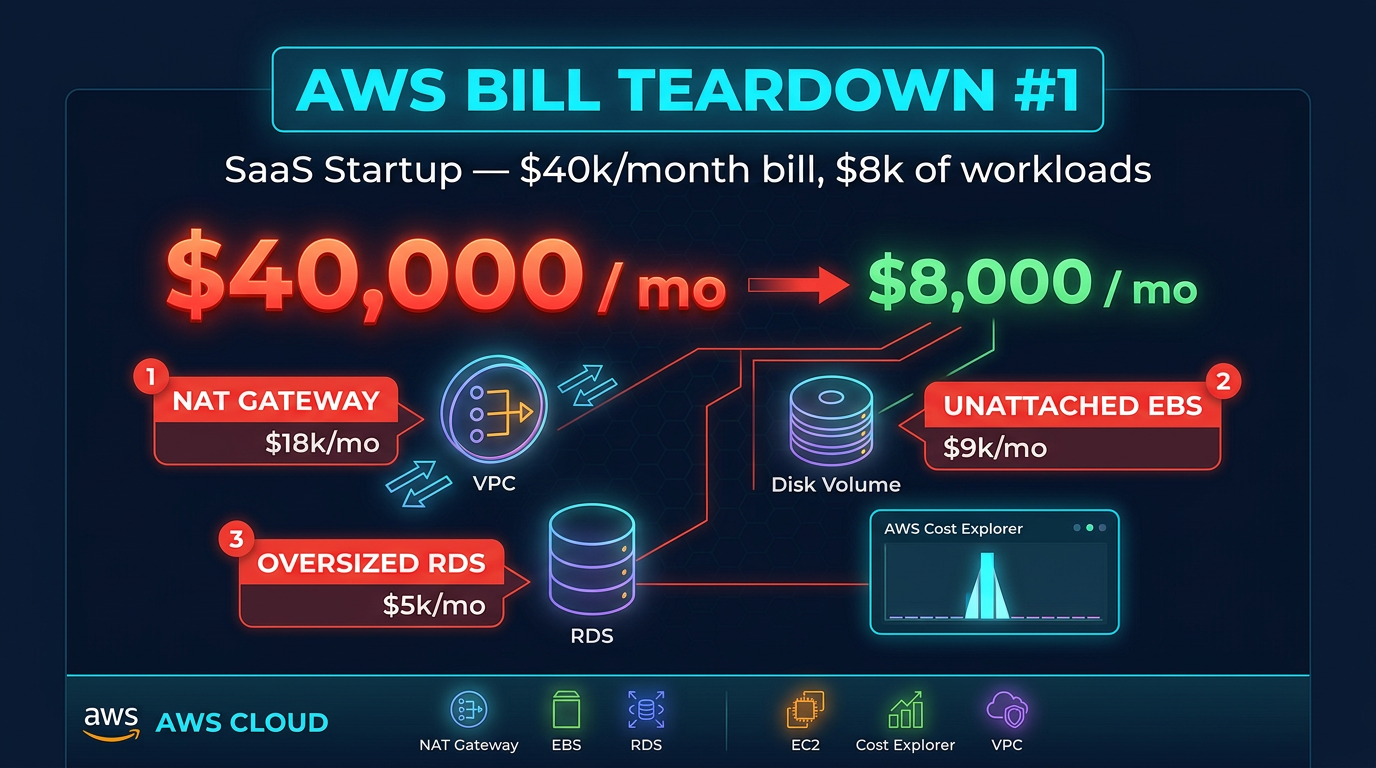
Anonymized Series A SaaS bill: ~$40k/month for ~$8–9k of real work. July 2026 refresh — free S3/DynamoDB gateway endpoints, EBS zombies, RDS rightsizing, Trusted Advisor on Business Support+.
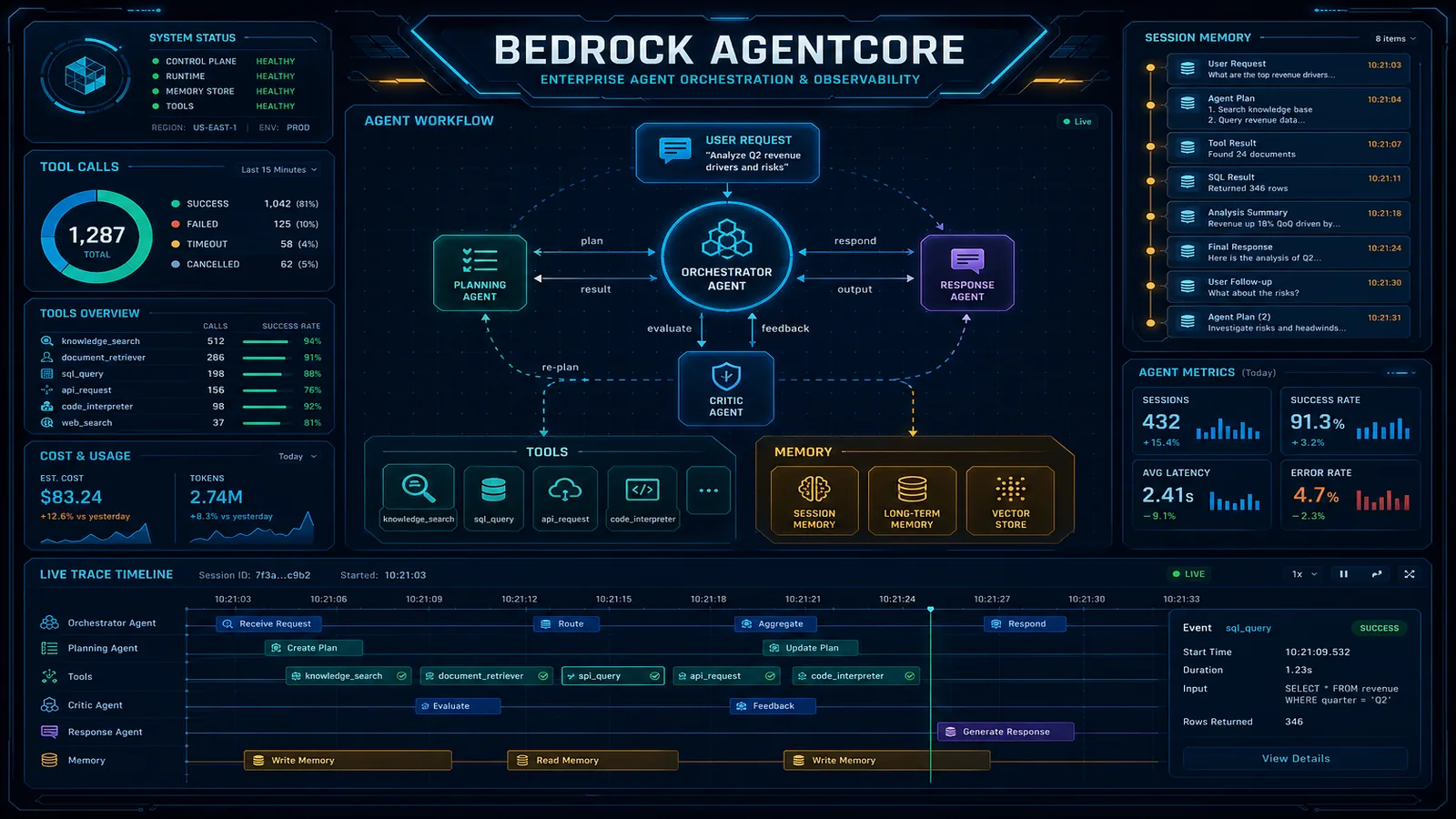
Harness GA June 17, Agents Classic cutoff July 30, Payments GA August 18, Memory FGAC August 28. Harness vs Runtime, Gateway Policy, and when transacting agents still should not own checkout.
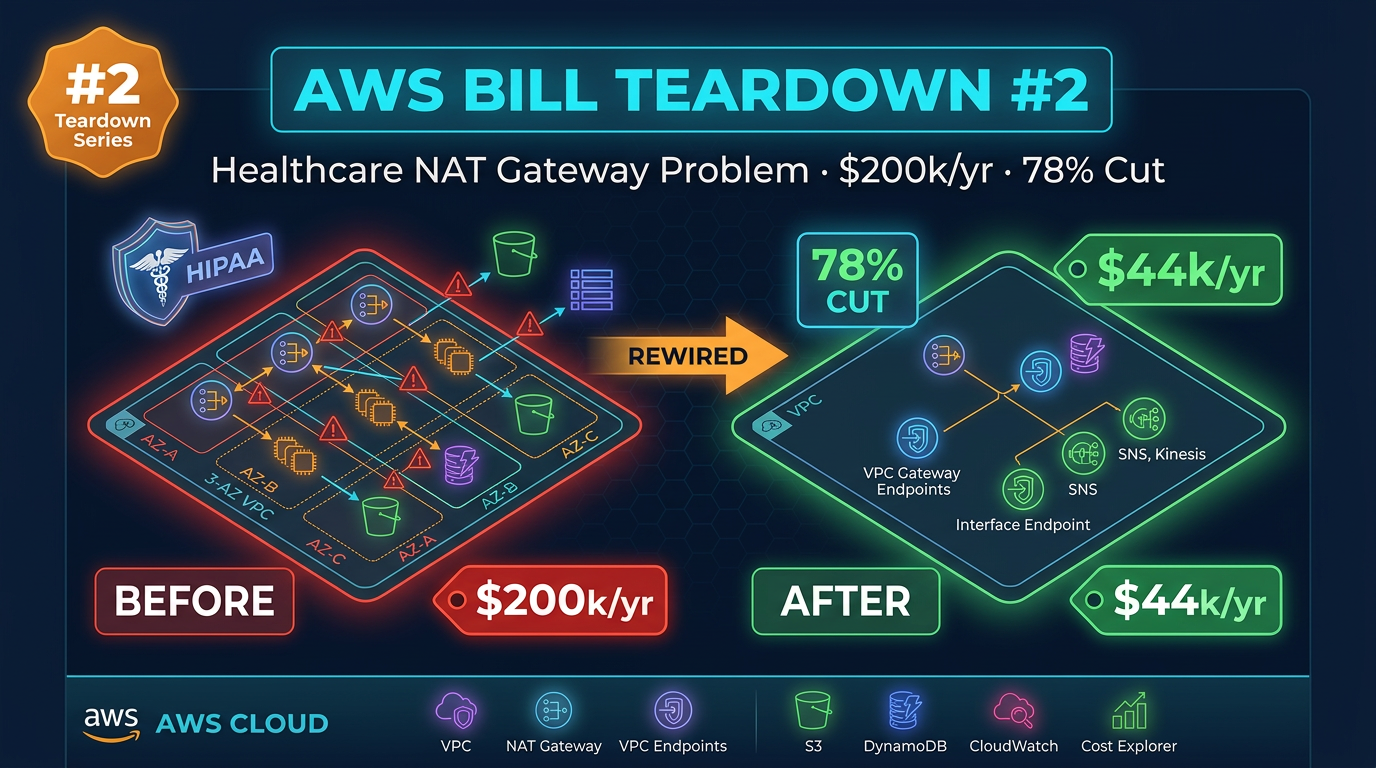
A healthcare estate was burning ~$200k/year on NAT. July 2026 refresh — NAT still ~$0.045/GB, free S3 gateway endpoints, Secrets Manager interface endpoints, and a VPC fix pattern that cut ~78%.
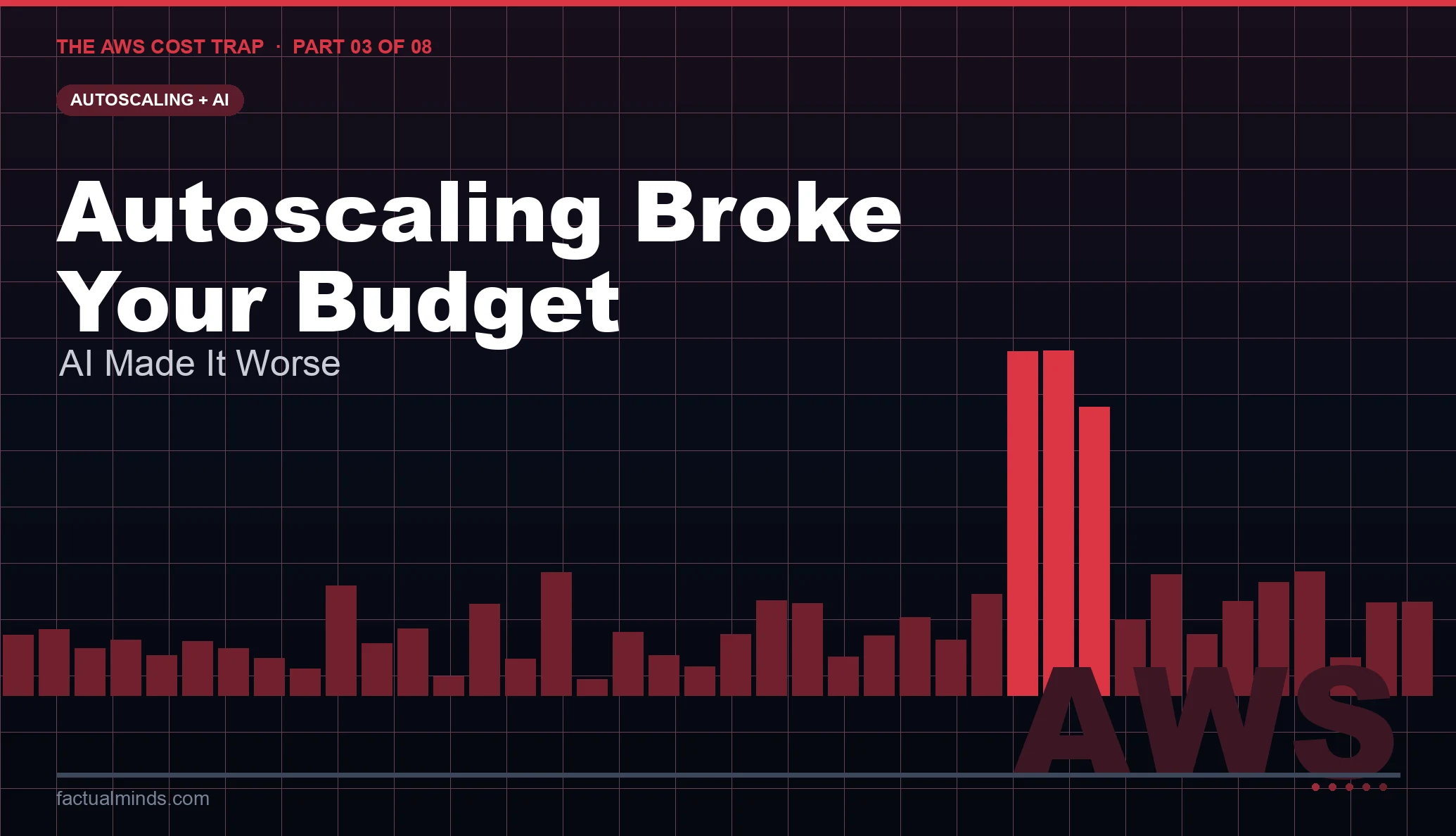
Autoscaling was supposed to make costs predictable by matching capacity to demand. Instead, it introduced feedback loops, burst amplification, and — with AI workloads — a new class of non-deterministic spend that no scaling policy anticipates.
Observability is not free, and the industry has collectively underpriced it. CloudWatch log ingestion, metrics explosion, and X-Ray trace volume can together exceed your compute bill — especially once AI workloads introduce high-cardinality telemetry at scale.
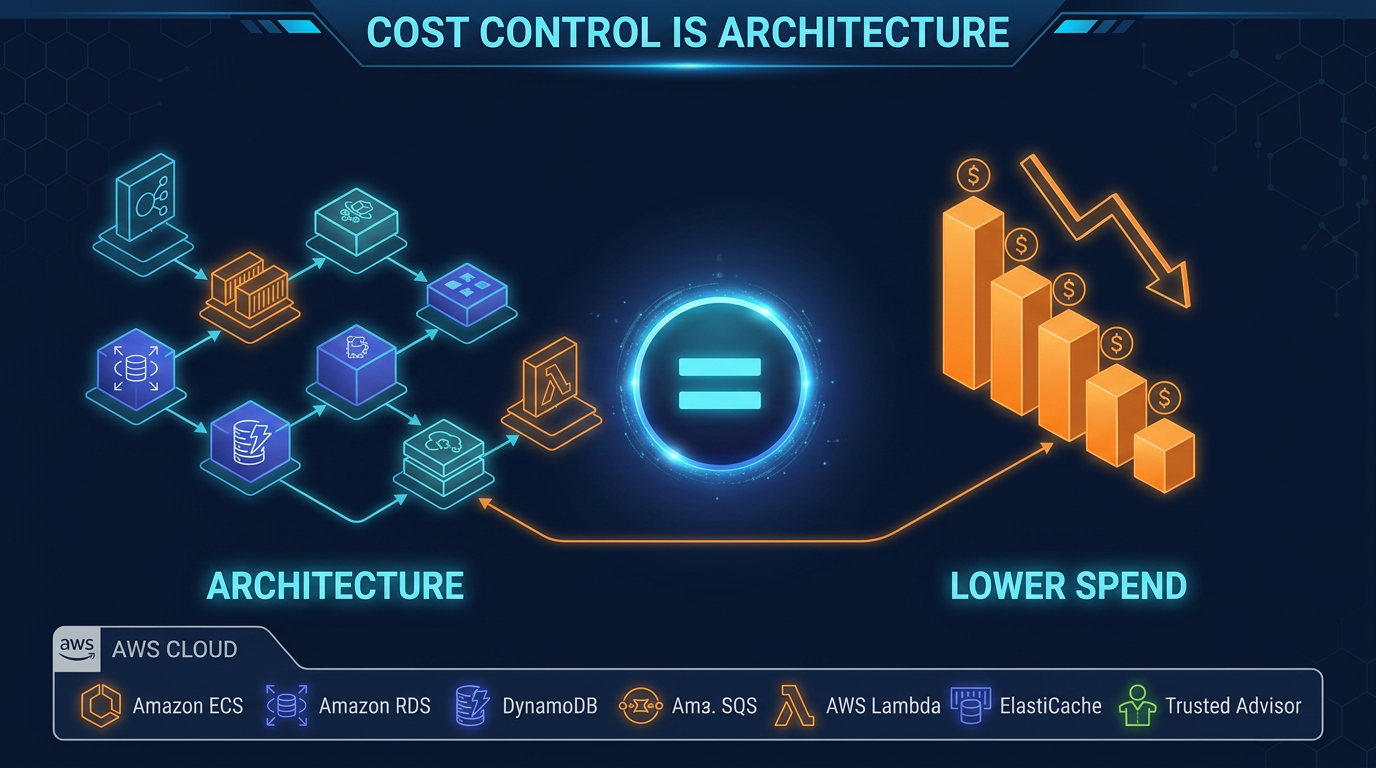
Savings Plans and Reserved Instances reduce the rate you pay. Architecture determines the volume you pay at. The most durable cost reductions in AWS come from designing systems that structurally generate less spend — not from negotiating a lower price for the same behavior.
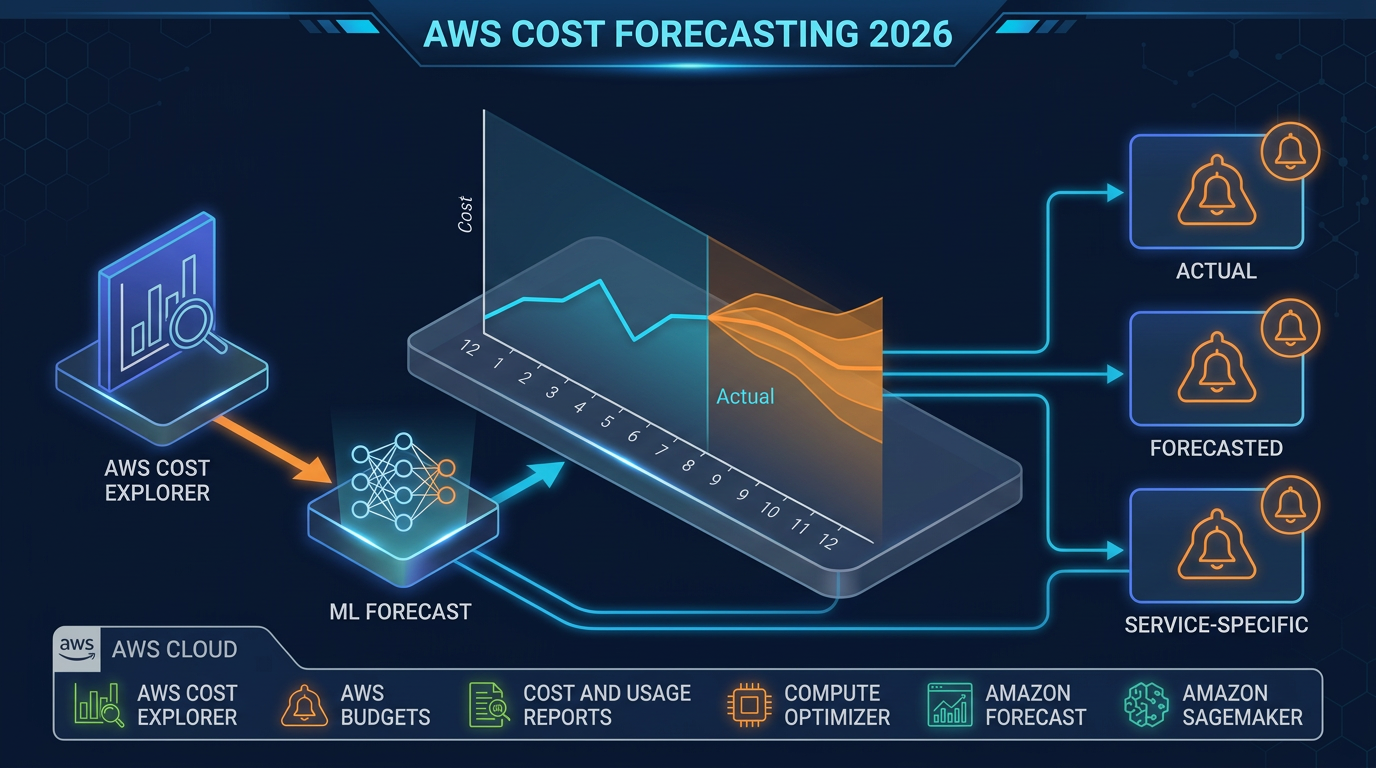
Most AWS cost forecasts miss by 30–50% not because engineers are careless, but because the forecasting model does not match how AWS actually charges. This is the playbook for getting forecasts right: which metrics to measure, which models to use, and where the structural gaps are.
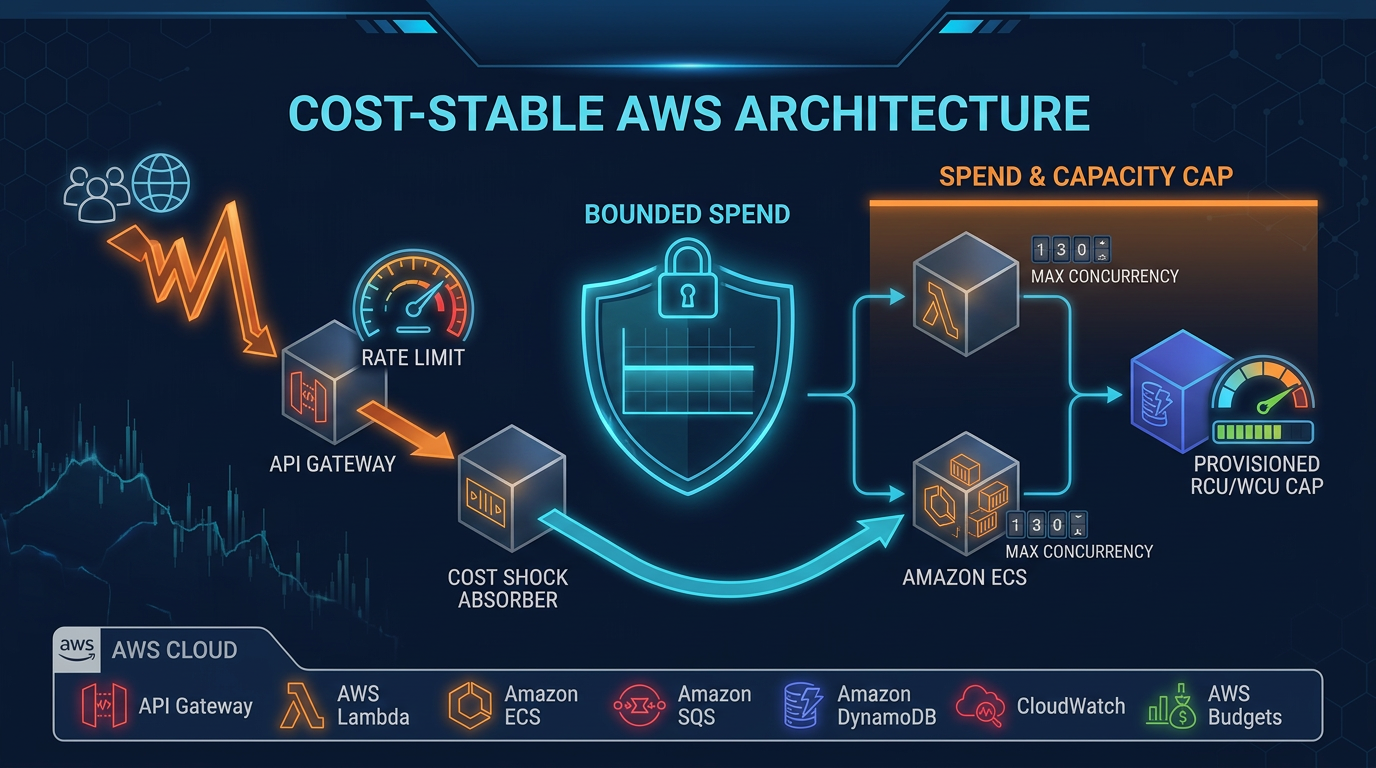
Cost-stable AWS design: bounded per-event spend, queues as shock absorbers, hard ceilings. July 2026 refresh with FinOps Agent / anomaly detection hooks.